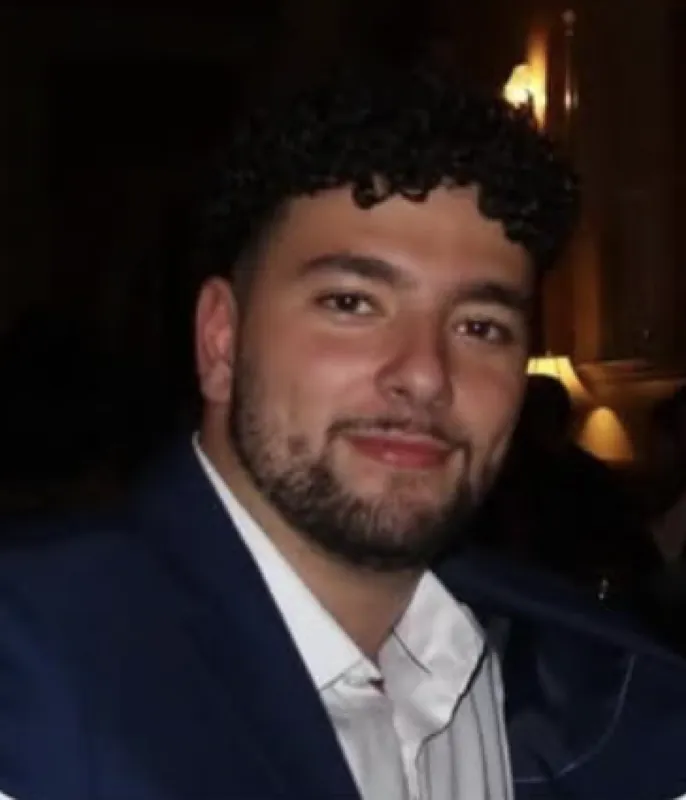
Georgio Gholam
Co-President & Co-Founder
- Background
- Med-P · McGill University
- Current program
- Medicine · U1 · McGill University
 CAPIO
CAPIOPrevent when you can.Act when it matters most.
CAPIO started as a conversation between two medical students at McGill University, Amin Hasheminia and Georgio Gholam. We kept coming back to the same frustration. Heart disease is the leading cause of death in the world; much of it is preventable, and yet many people cannot name their own risk factors or describe what a heart attack actually feels like. Plenty of campaigns tell the public that heart disease is serious. Very few tell them what to do about it. We wanted something actionable, so we built it.
The name comes from the Latin capio: to take, to seize, to grasp. It stands for the Cardiovascular Assessment, Prevention and Intervention Organization.
A community where no one loses time, heart muscle, or a life to a heart attack that could have been prevented, recognized sooner, or treated faster.
Much cardiovascular education stops at prevention. We follow the full path a person can face, from long before a heart attack to long after one.
Risk, recognition, real-time action, recovery, and prevention again.
Know your baseline risk, including the genetics and family history you cannot change.
Learn what prevention actually looks like day to day.
Recognize a heart attack when it happens, in yourself or in the person beside you.
Understand the tests and procedures that follow, so the hospital feels less frightening.
Recover well, then prevent the next one.
CAPIO is built for the general public, at every age, with a particular focus on youth. Habits and awareness formed early are the ones that protect people decades later, and a young person who knows the signs today can save a parent or a grandparent tonight.
Ischemic heart disease is the number one cause of death worldwide, and a heart attack is its most sudden and most lethal form. In an emergency, survival is measured in minutes, and the longest delay is usually the one before anyone calls for help.
Closing that gap is the reason CAPIO exists.
Every member of CAPIO is either a medical trainee at one of our partner universities or a faculty cardiologist who supervises our work. We are a non-profit staffed by the people who'll be looking after Quebec's hearts in five years' time, learning to do it now.
What sparked the idea behind CAPIO?
Co-President & Co-Founder
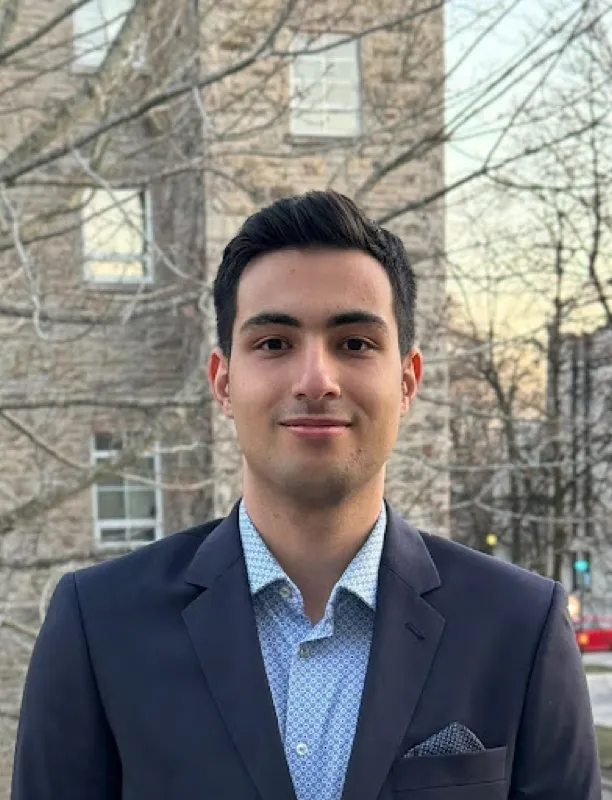
Co-President & Co-Founder
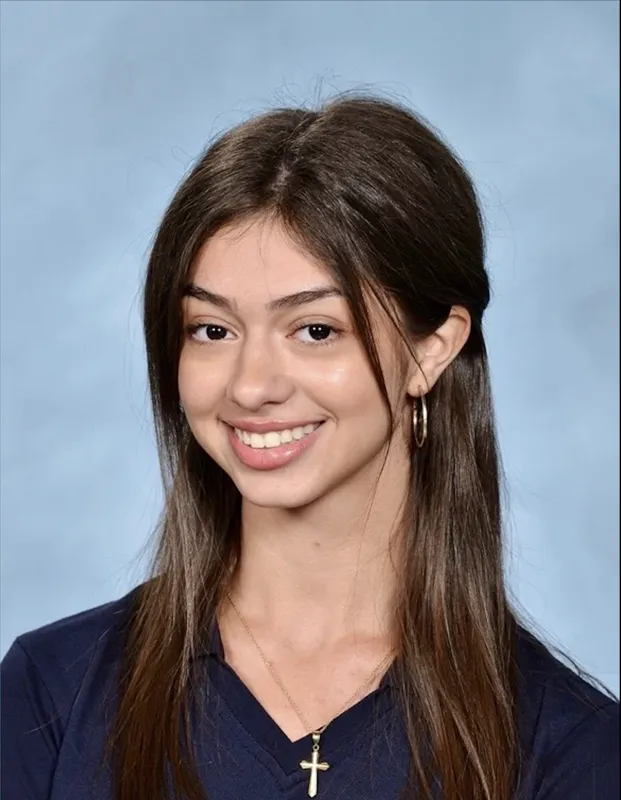
Content Creation Director
Marianopolis College
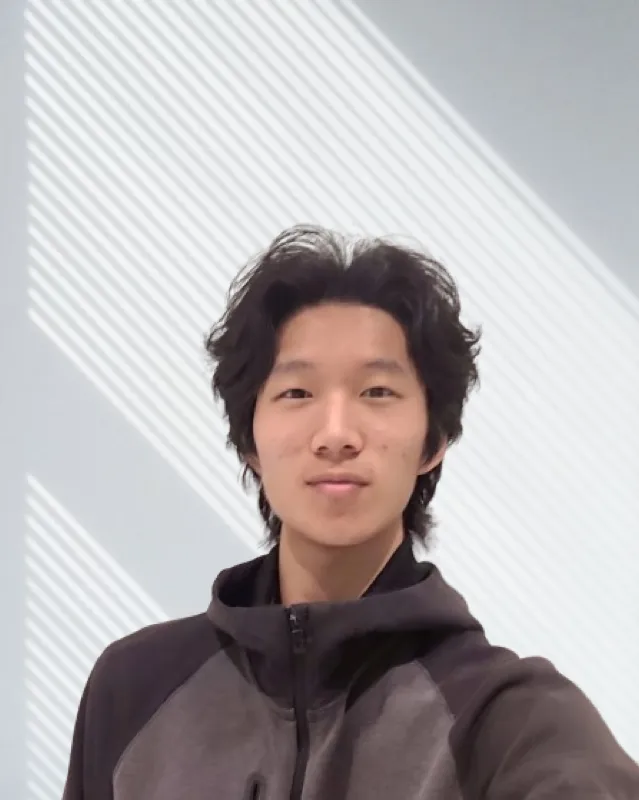
Content Creation Director
McGill University

Content Creation Director
McGill University
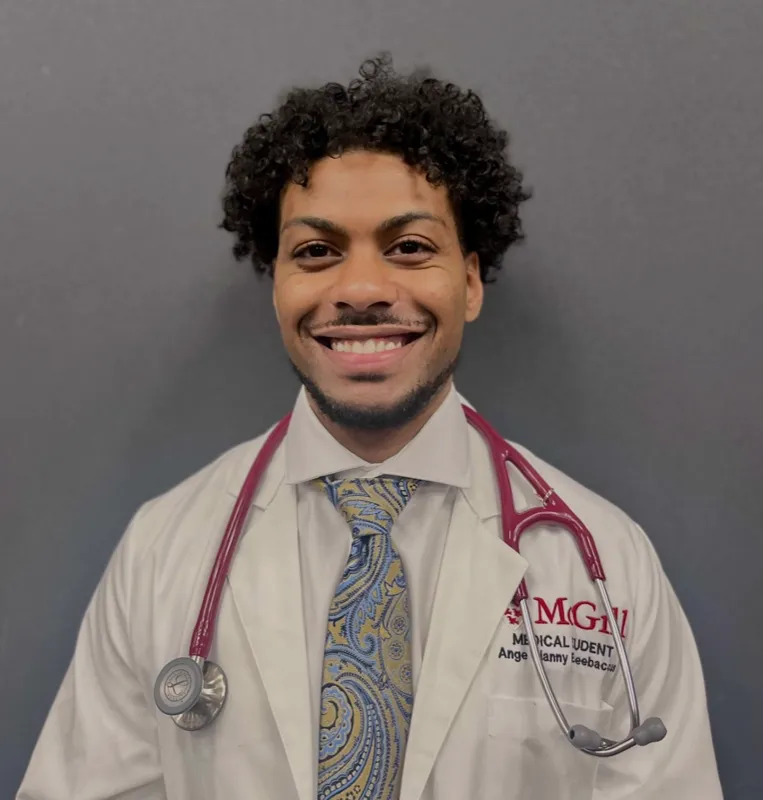
Research & Public Education Director
McGill University
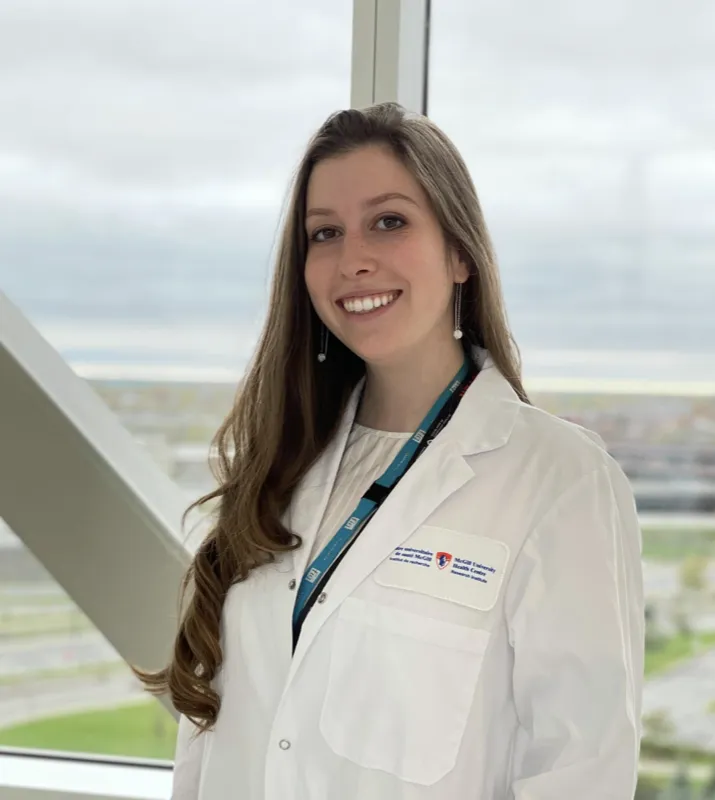
Research & Public Education Director
McGill University
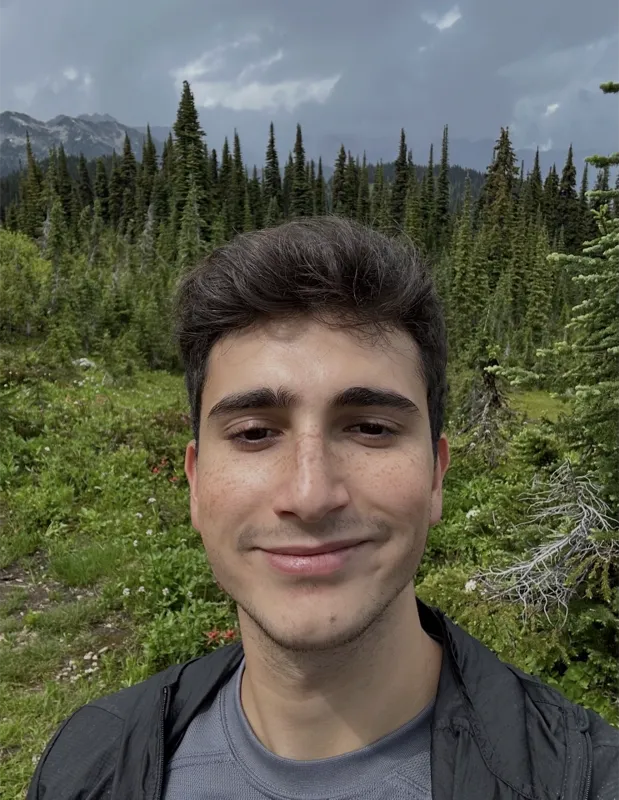
Research & Public Education Director
McGill University
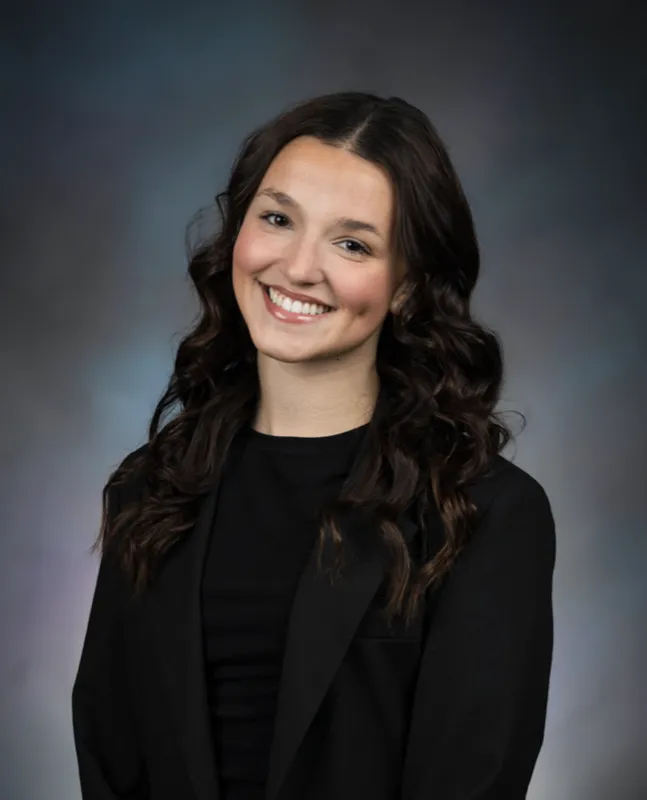
Events & Sponsorship Director
Laval University

Events & Sponsorship Director
McGill University
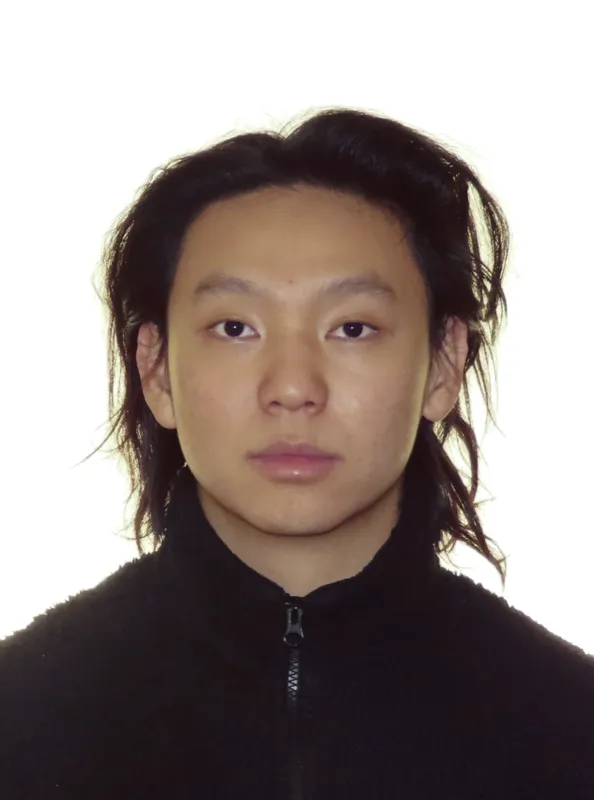
Events & Sponsorship Director
McGill University

University Affairs Director
McGill University
University Affairs Director
Laval University
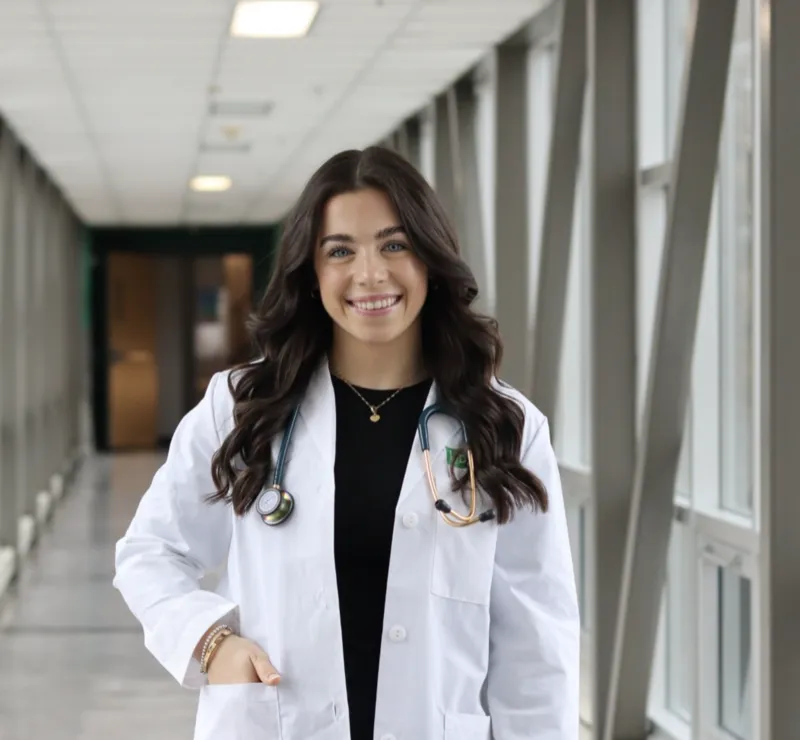
University Affairs Director
University of Sherbrooke
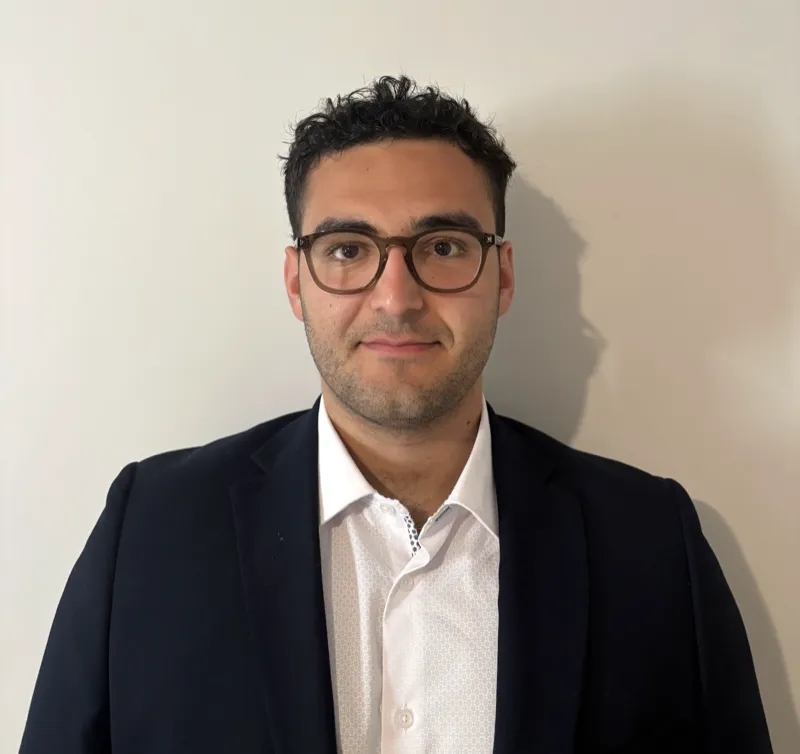
University Affairs Director
University of Montreal
Applications for the next cohort open in September.
Cardiovascular Assessment, Prevention, and Intervention Organization. The acronym is also the programme: every clinic delivers all three.
No. CAPIO is a community-screening and referral organization. We deliver assessments in non-clinical spaces — community centres, libraries, places of worship — and connect anyone whose result warrants follow-up to the clinical network of our partner universities. We do not bill insurance and we do not replace your physician.
Operating costs are covered by donations from the public, grants from the partner universities, and a small annual envelope from the Quebec Ministry of Health. Every screening is free at the point of delivery; we will never ask for your RAMQ card to access services.
Yes. Every student volunteer is a third- or fourth-year medical trainee at one of the four partner universities, has completed the CAPIO screening protocol training (16 hours, including OSCE-style sign-off), and works under the on-site supervision of a faculty cardiologist or internal-medicine attending.
French and English at every clinic. Where we know in advance that a community speaks a third language (most often Arabic, Spanish, Mandarin, or Cree), we bring a community interpreter. We will never refuse a screening because of language.
Only with your written, voluntary consent. If you ask us to send your screening report to a primary-care provider you nominate, we will. Otherwise, the printed sheet you leave with is the only copy that exists.
Yes — we work with community centres, places of worship, employee groups, and CIUSSS partners across Quebec. The request form takes about ten minutes and we typically schedule six to ten weeks out. We prioritize neighbourhoods with limited primary-care access.
We do not employ paid staff. Faculty and student involvement is unpaid and structured through the four partner universities. If you are a Quebec medical student, we open a new cohort each September; see the team section above.