
Module 01
Understanding
heart attacks
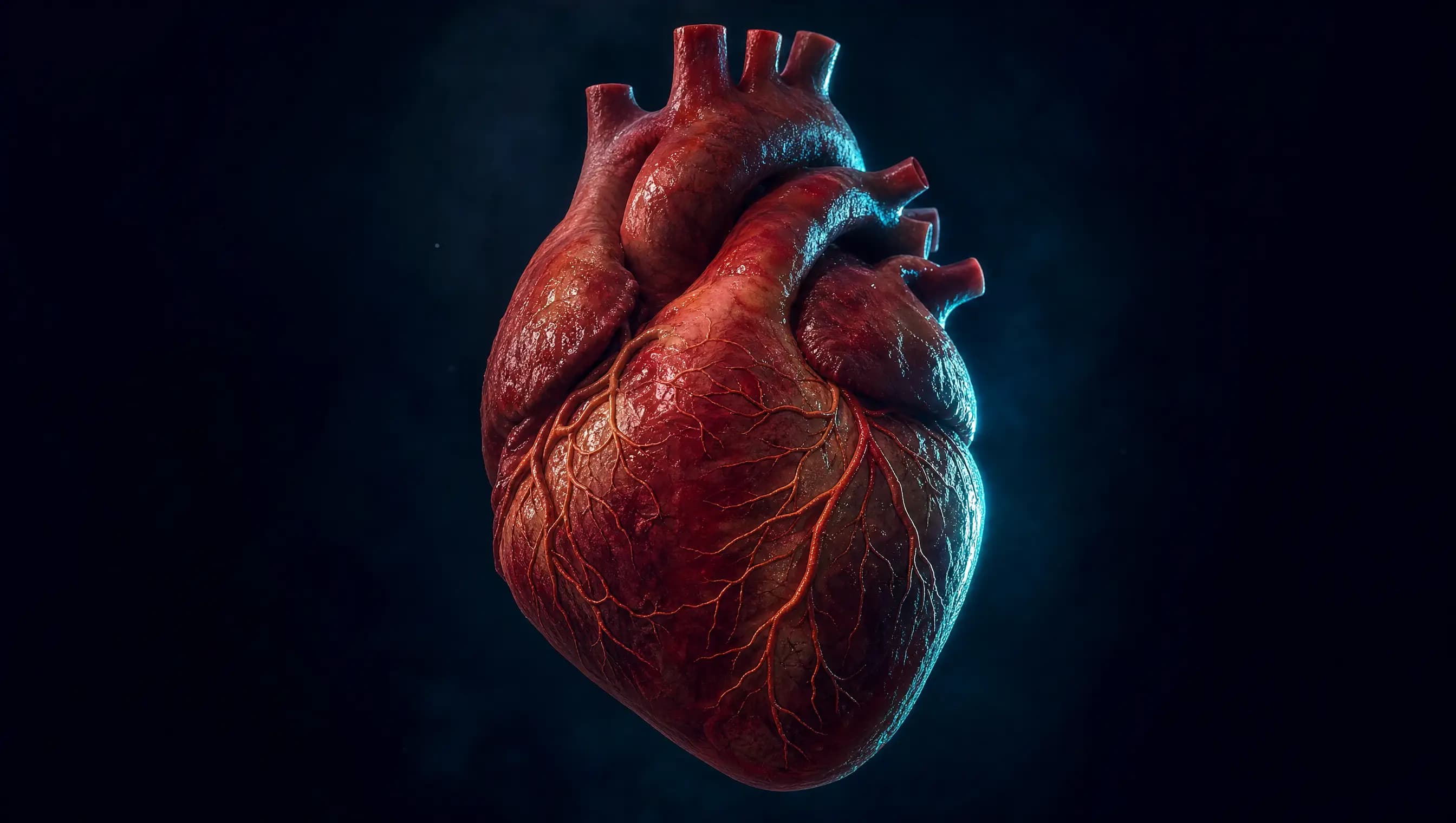
What a heart attack actually is, how the heart keeps itself alive, why an artery that has been narrowing quietly for years can close in moments — and what the muscle can, and cannot, rebuild afterwards.
When the supply stops
What is a heart attack?
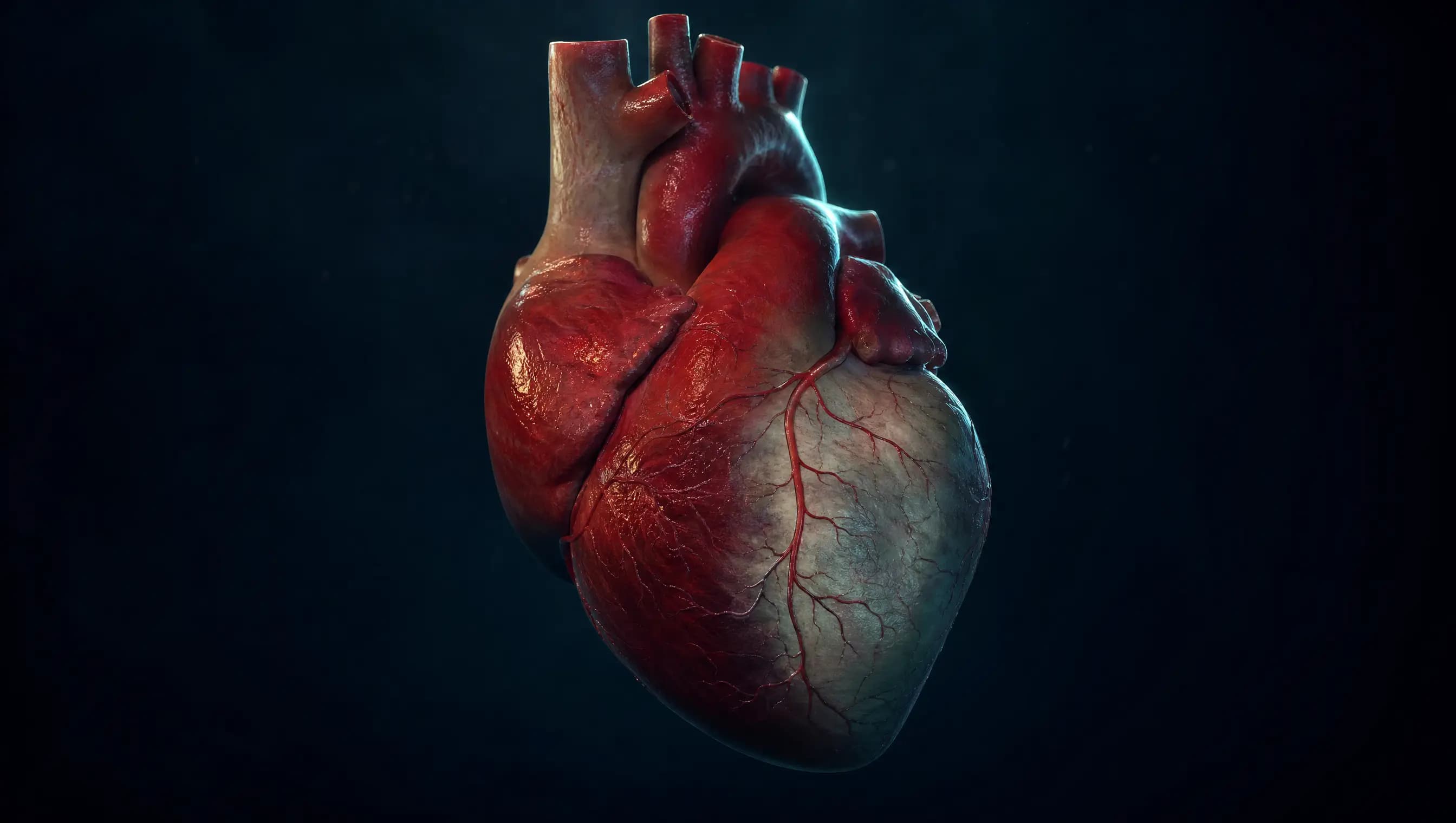
A heart attack (also called a myocardial infarction) occurs when blood flow to part of the heart muscle is suddenly reduced or completely blocked1. Without a continuous supply of oxygen-rich blood, the affected portion of the heart is injured — the longer it spends without oxygenated blood, the more significant the injury becomes. In other words, if blood flow is not restored quickly, the damage can become permanent, causing part of the heart muscle to die.
Heart attacks are one of the most common and serious forms of cardiovascular disease. Every year, millions of people worldwide experience a heart attack, and unfortunately, many die as a result of it2. Prompt recognition and early treatment are critical because the amount of heart muscle that can be saved depends on how quickly blood flow is restored. This is why healthcare professionals often repeat: “Time is muscle.”
The sooner treatment begins, the greater the chance of preserving heart function and reducing long-term complications.
Time is muscle.
Every minute an artery stays shut, more of the heart is spent. The amount that can be saved depends on how quickly blood flow is restored.
The heart feeds itself
How does the heart normally receive oxygen?
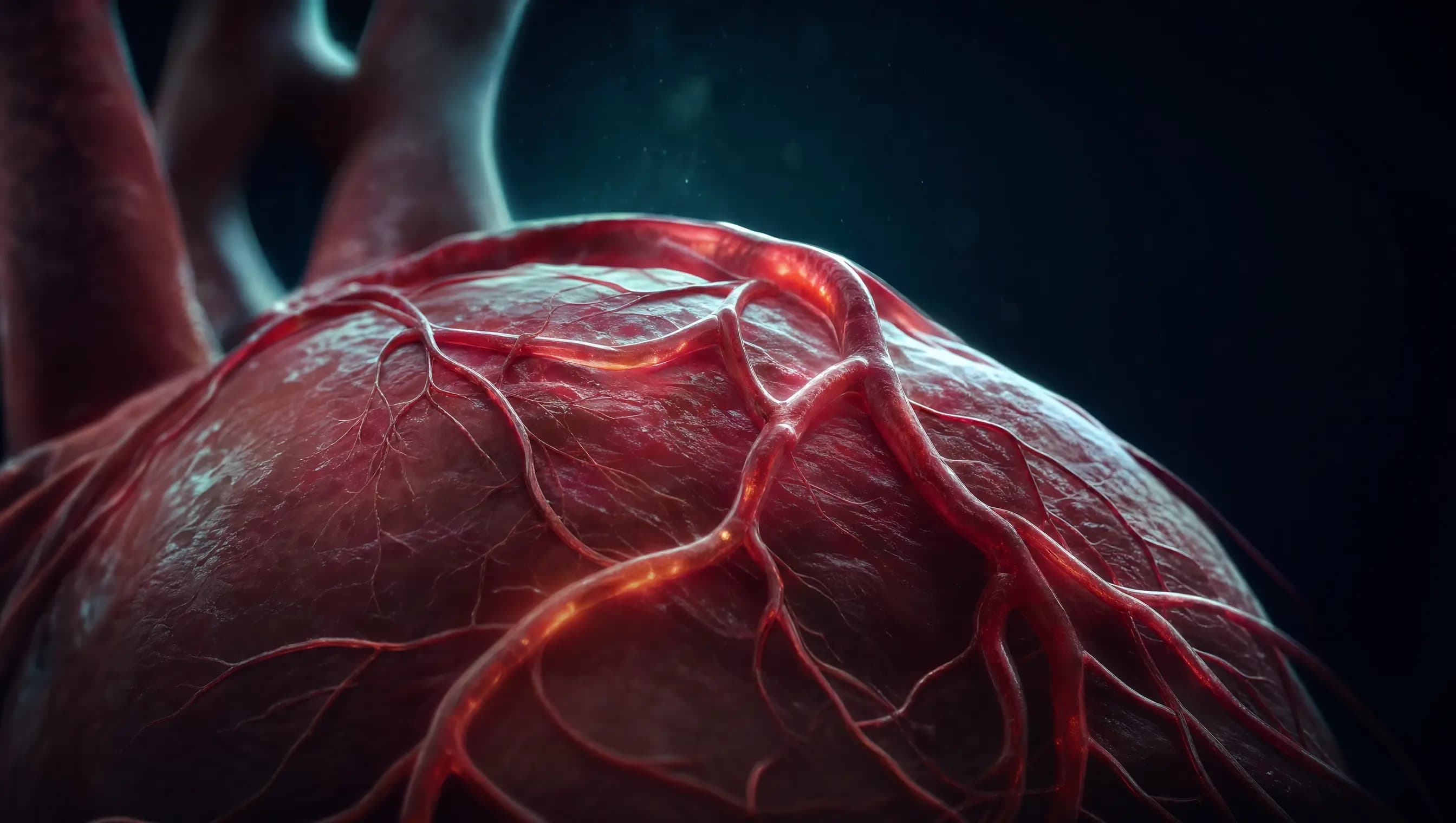
Although the heart pumps blood throughout the body, it also needs its own blood supply to function.
This blood is delivered through major blood vessels called the coronary arteries, which wrap around the surface of the heart.
With every heartbeat, these arteries fill with blood and supply oxygen and nutrients to the heart muscle,
allowing it to continue staying alive and pumping efficiently!
Years, then seconds
The slow build and the sudden break
Due to disease, an unhealthy lifestyle, genetics and other risk factors, a coronary artery can become blocked. The part of the heart supplied by that artery is suddenly deprived of oxygen as a result.
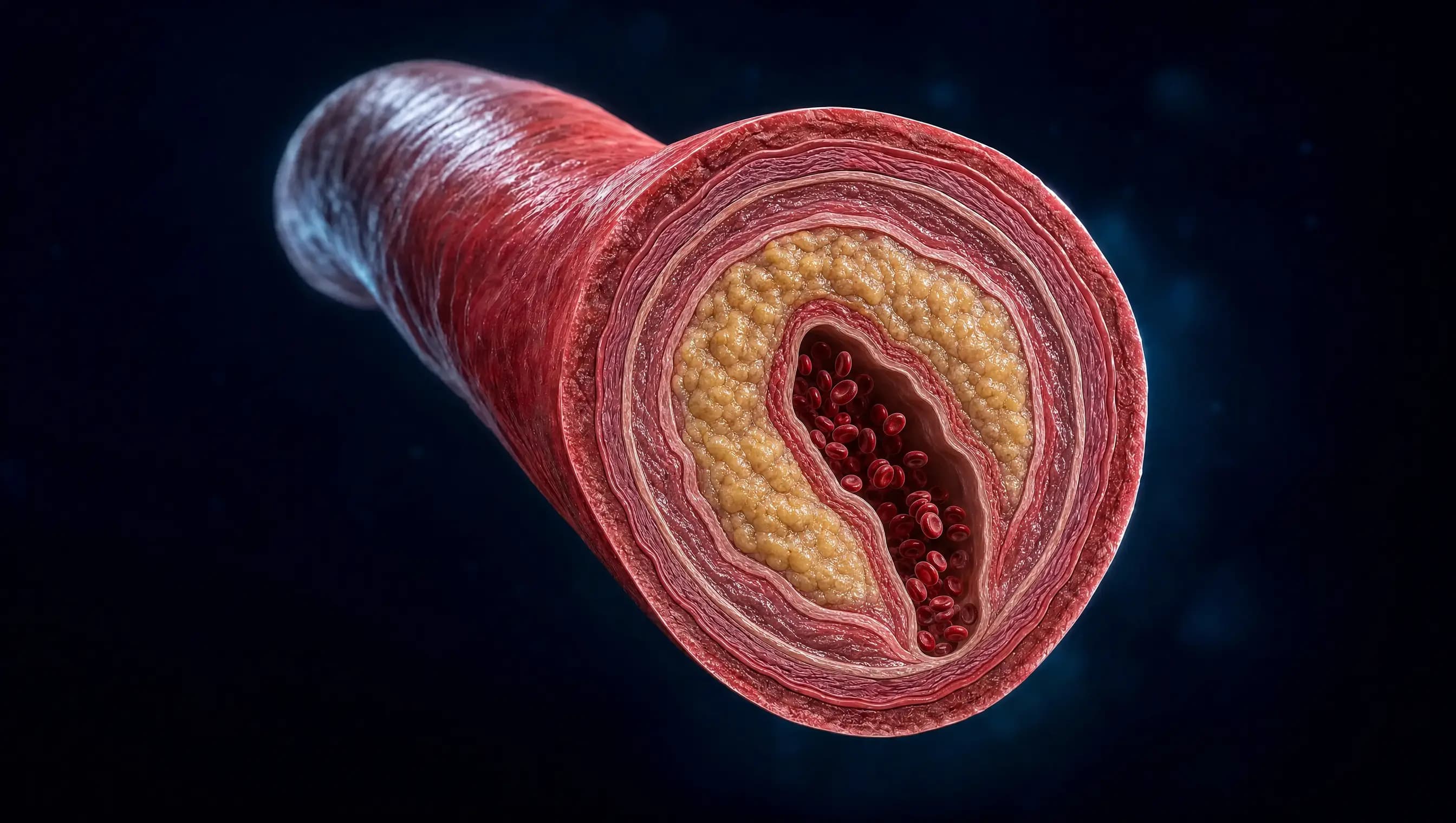
Most heart attacks are caused by coronary artery disease. Over many years, fatty deposits called plaques (made up of cholesterol, inflammatory cells, calcium and other substances) accumulate inside the walls of coronary arteries. This process is known as atherosclerosis.
These plaques gradually narrow the inside of the artery. Many people live with plaque buildup for years without experiencing any symptoms. Problems occur when a plaque ruptures. Our body recognizes this rupture as an injury (just like any superficial cut on our skin!) and immediately forms a blood clot in an attempt to repair it. Sometimes this clot grows large enough to completely block the artery, preventing blood from reaching the heart muscle, triggering the chain of events that lead to a heart attack.
What a plaque is made of
Atherosclerosis
How an artery closes
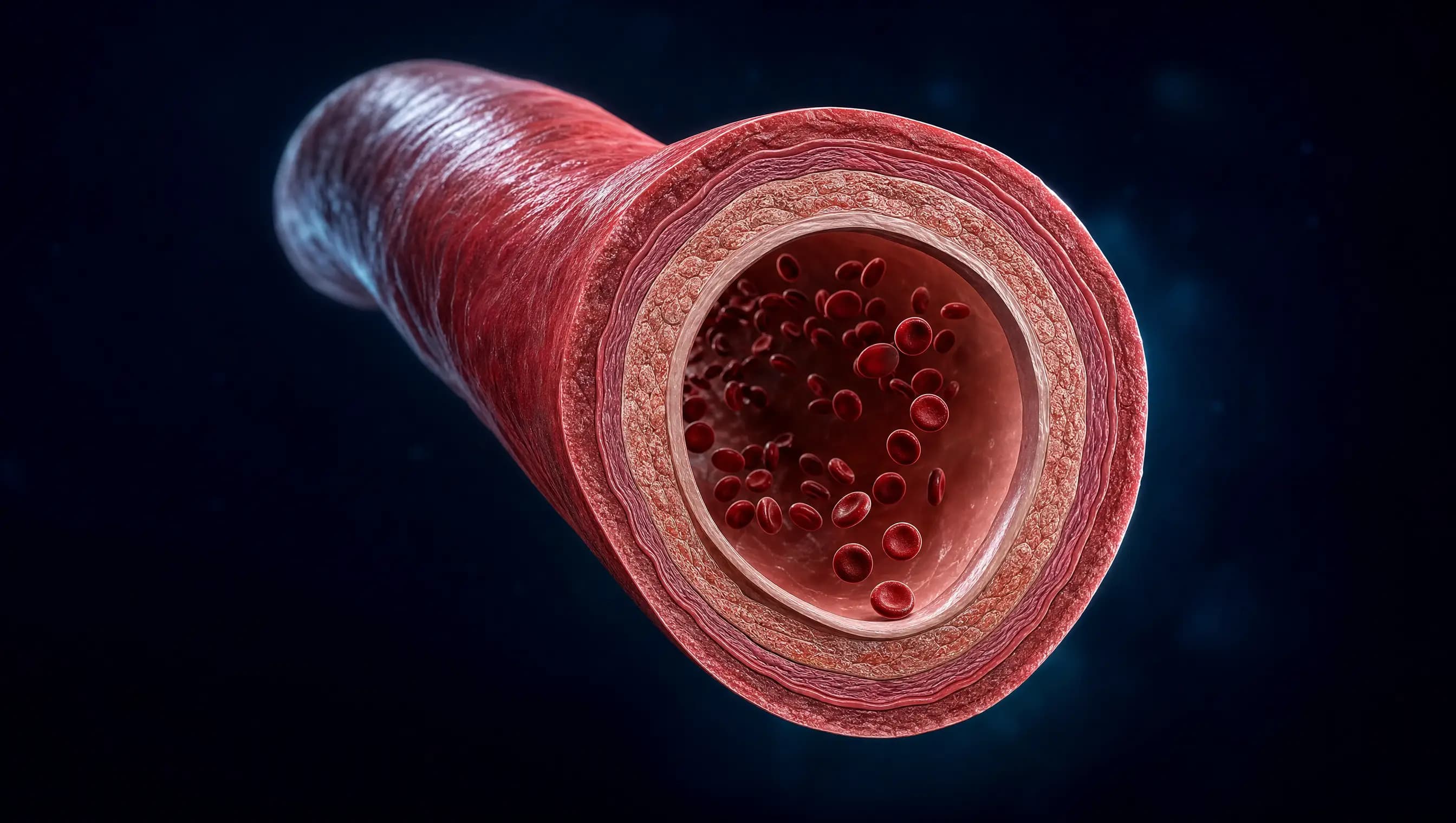
adventitia · media · intima
Flow open
over many years
An open artery
Oxygen-rich blood runs freely through the lumen. Inside the artery wall, fatty deposits have quietly begun to gather.
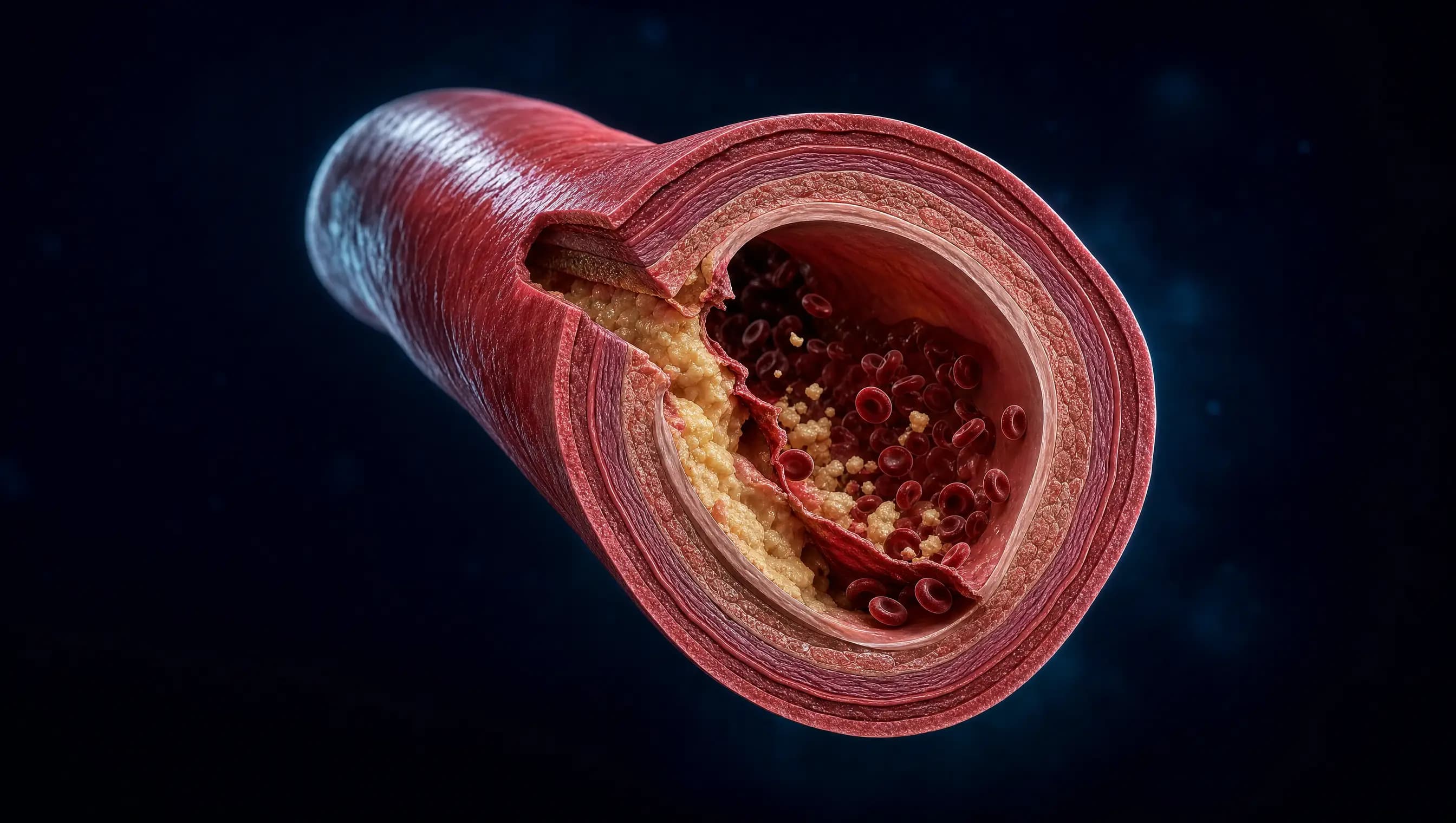
over many years
The plaque narrows the lumen
Cholesterol, inflammatory cells and calcium build into a plaque that gradually narrows the artery. Many people live this way for years without a single symptom.
suddenly
A plaque ruptures
The fibrous cap covering the plaque tears open and its contents spill into the bloodstream. The body reads the rupture as an injury.
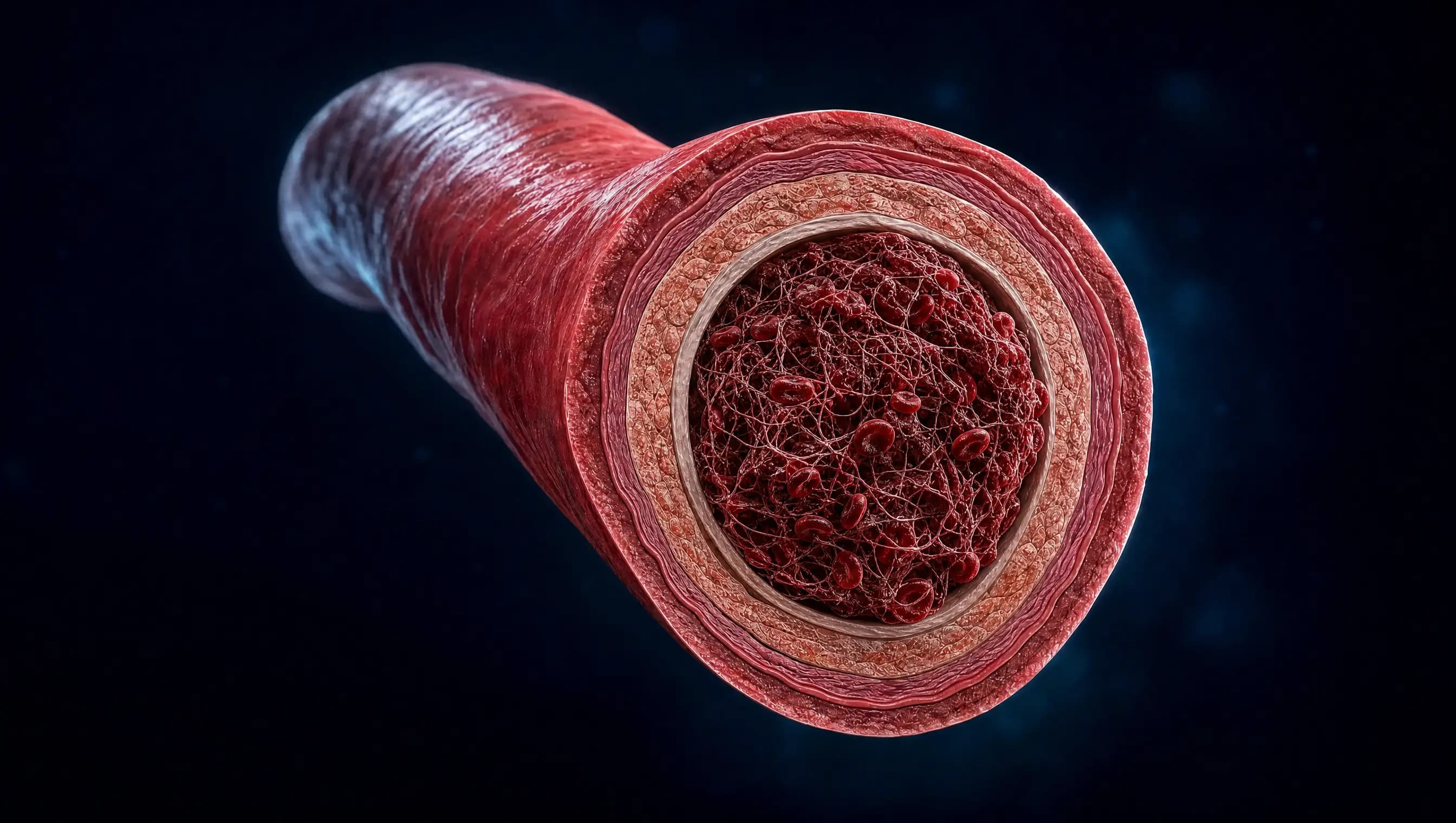
suddenly
A clot closes the artery
Platelets and fibrin form a clot to repair the tear. Sometimes it grows large enough to block the artery completely, and blood stops reaching the heart muscle.
Cell by cell
What happens inside of the heart during a heart attack?
time is muscle
Once blood flow is interrupted, the affected heart muscle immediately begins to suffer from oxygen deprivation.
Within minutes, heart muscle cells begin to malfunction,
the heart pumps less efficiently,
electrical instability may develop, increasing the risk of dangerous arrhythmias.
If blood flow remains blocked for several hours, the injured muscle begins to die permanently.
Unlike our skin or liver tissue, heart muscle has very little ability to regenerate. Once heart muscle is lost, it is generally replaced with scar tissue rather than new healthy muscle.
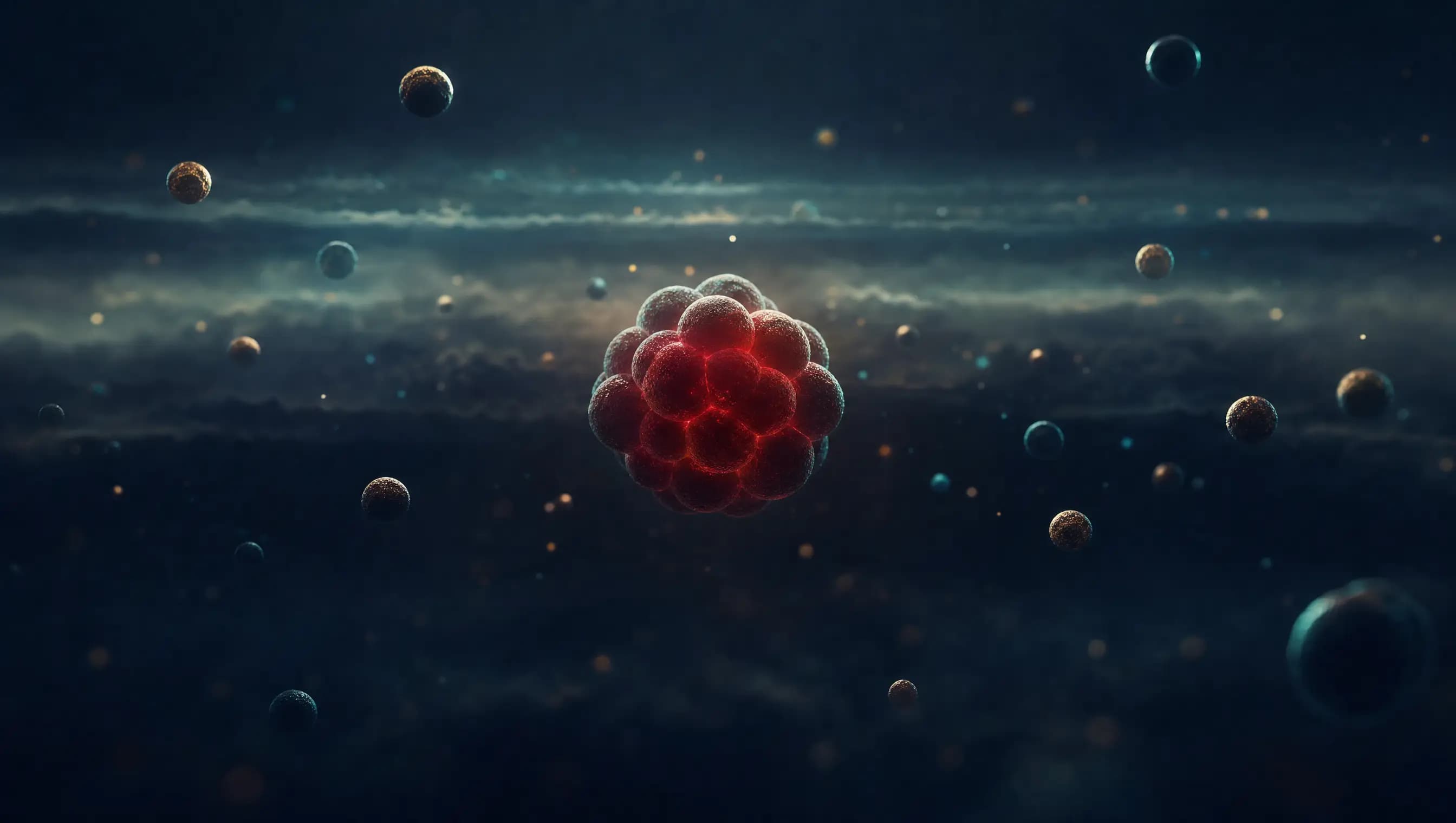
What carbon-14 revealed
A clock in the muscle
Did you know that a 2009 study used carbon-14 dating (a technique made possible by radioactive carbon released during atmospheric nuclear testing in the 1950s and 1960s) to estimate the age of human heart muscle cells (Bergmann et al.)3? They found that heart muscle cells are gradually replaced throughout life, but at a very slow rate. They estimated that approximately only 1% of heart muscle cells are renewed each year at age 25, declining to less than 0.5% per year by age 75 — an age at which a heart attack is much more likely to occur!
Although this discovery changed our understanding of cardiac biology, this regenerative capacity is far too limited to repair the extensive damage caused by a heart attack. Instead, the injured region is primarily replaced by a scar, which helps maintain the structural integrity of the heart but cannot contract like healthy heart muscle. As a result, the heart often becomes weaker, increasing the risk of diseases such as heart failure and abnormal heart rhythms.
This is one of the reasons why prevention, early recognition and rapid treatment remain so important!
Bergmann et al., 2009
How much of your heart is new this year?
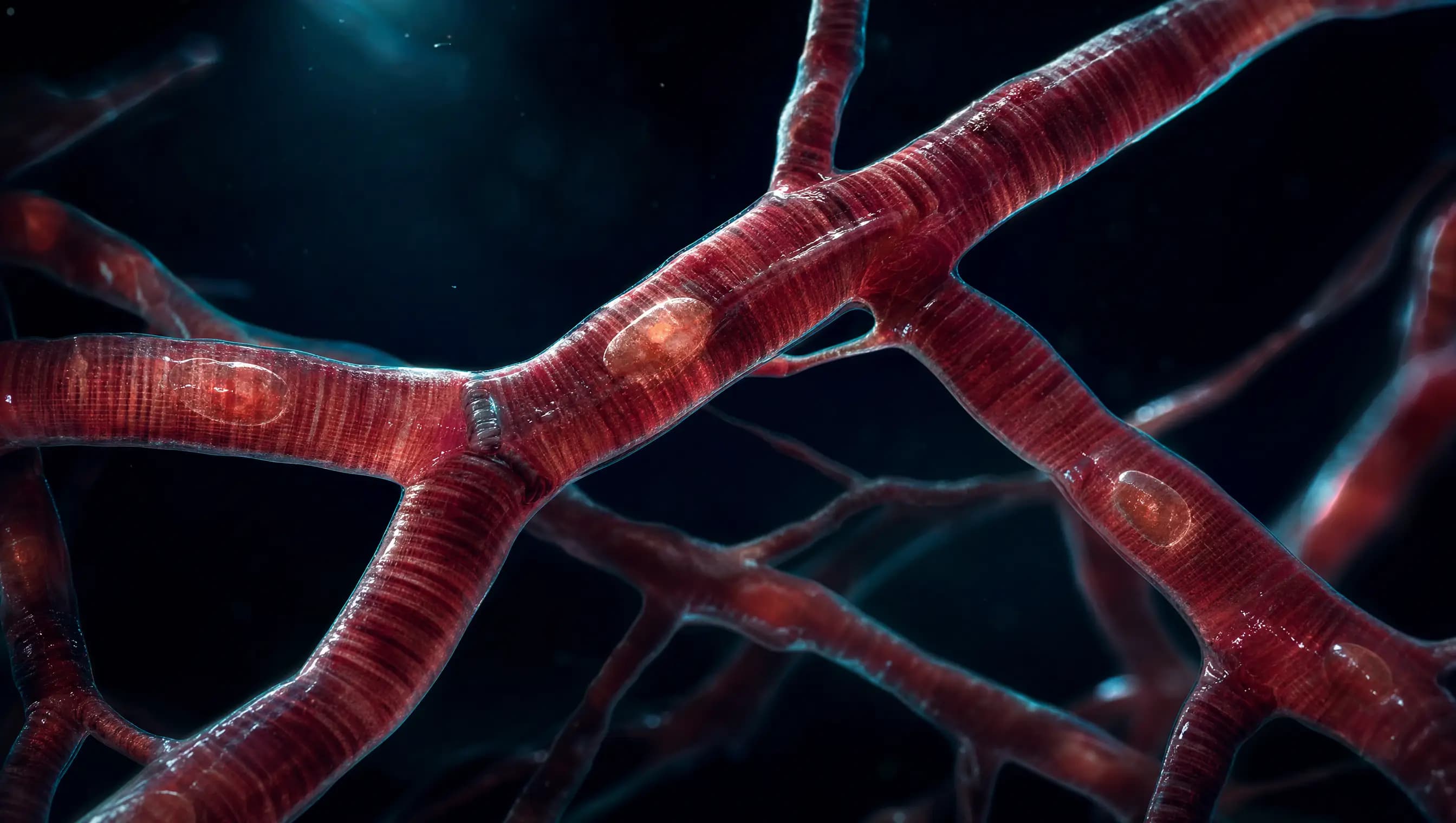
The tissueHeart muscle is built from muscle cells, gathered into bundles, layer over layer.
2009 · carbon-14A 2009 study dated them with carbon-14 — a technique made possible by radioactive carbon released during atmospheric nuclear testing in the 1950s and 1960s.
At age 25Heart muscle cells are gradually replaced throughout life, but at a very slow rate: approximately only 1% are renewed each year at age 25.
By age 75That rate declines to less than 0.5% per year by age 75 — an age at which a heart attack is much more likely to occur.
Renewal, not repairThis regenerative capacity is far too limited to repair the extensive damage caused by a heart attack. The injured region is replaced by a scar, which holds the heart together but cannot contract.
Knowledge check
Question 1 of 6
Check what you know
What happens during a heart attack?
Arrow keys move between the answers; Enter or Space chooses one.
- 1Acute Myocardial Infarction — StatPearls, NCBI Bookshelf
- 2Cardiovascular diseases (CVDs) — World Health Organization
- 3Bergmann et al., "Evidence for cardiomyocyte renewal in humans", Science, 2009
This module is educational. It is not medical advice, it cannot diagnose anything, and it does not replace your physician. If you think you are having a heart attack, call your local emergency number now.
Module 02 — Reducing your risk of heart attack
Learn which risk factors you can influence, which numbers matter, and how sustainable everyday habits help protect your heart over time.
Continue to module 02Back to all modules