
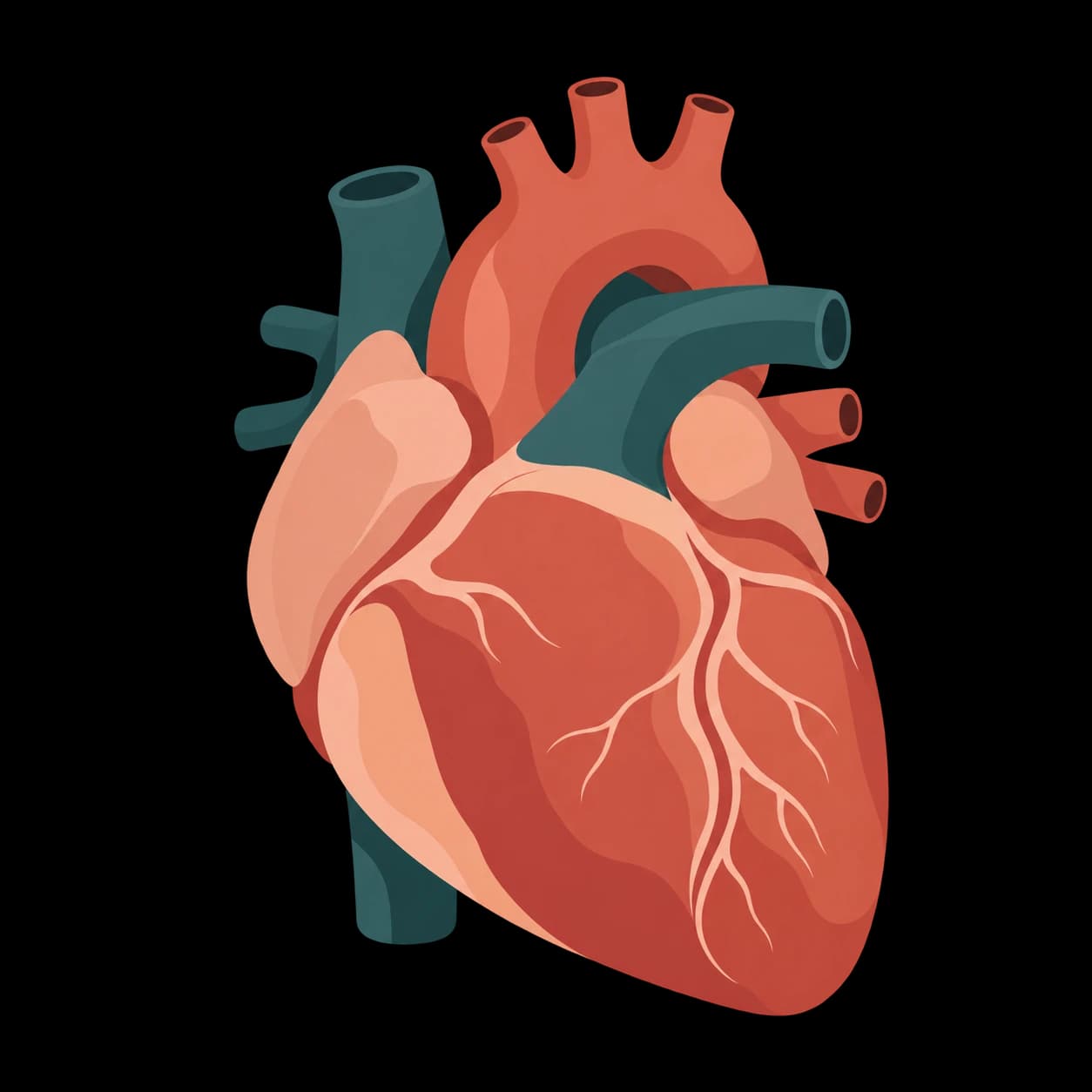
Prevention starts early
A heart attack may feel like a sudden event coming out of nowhere, but the conditions that lead to one often develop slowly over many years.
For many people, heart attack prevention is not about one dramatic change. It is about protecting your heart and blood vessels over time by understanding your risk factors, making sustainable lifestyle choices, and identifying what puts you at risk before damage accumulates.
Many important risk factors for cardiovascular disease can be modified or treated. You cannot change everything about your risk, but there is a great deal you can control and influence.
Understand your risk factors
A risk factor is something that increases your likelihood of developing a disease. Having one or even several cardiovascular risk factors does not mean that you will definitely have a heart attack. Instead, these factors help us understand a person's overall risk and where prevention may have the greatest impact.
Heart attack risk is influenced by a combination of non-modifiable factors, which we cannot change, and modifiable factors, which we can improve, treat or manage.
Interactive field notes
Risk factors and the artery wall.
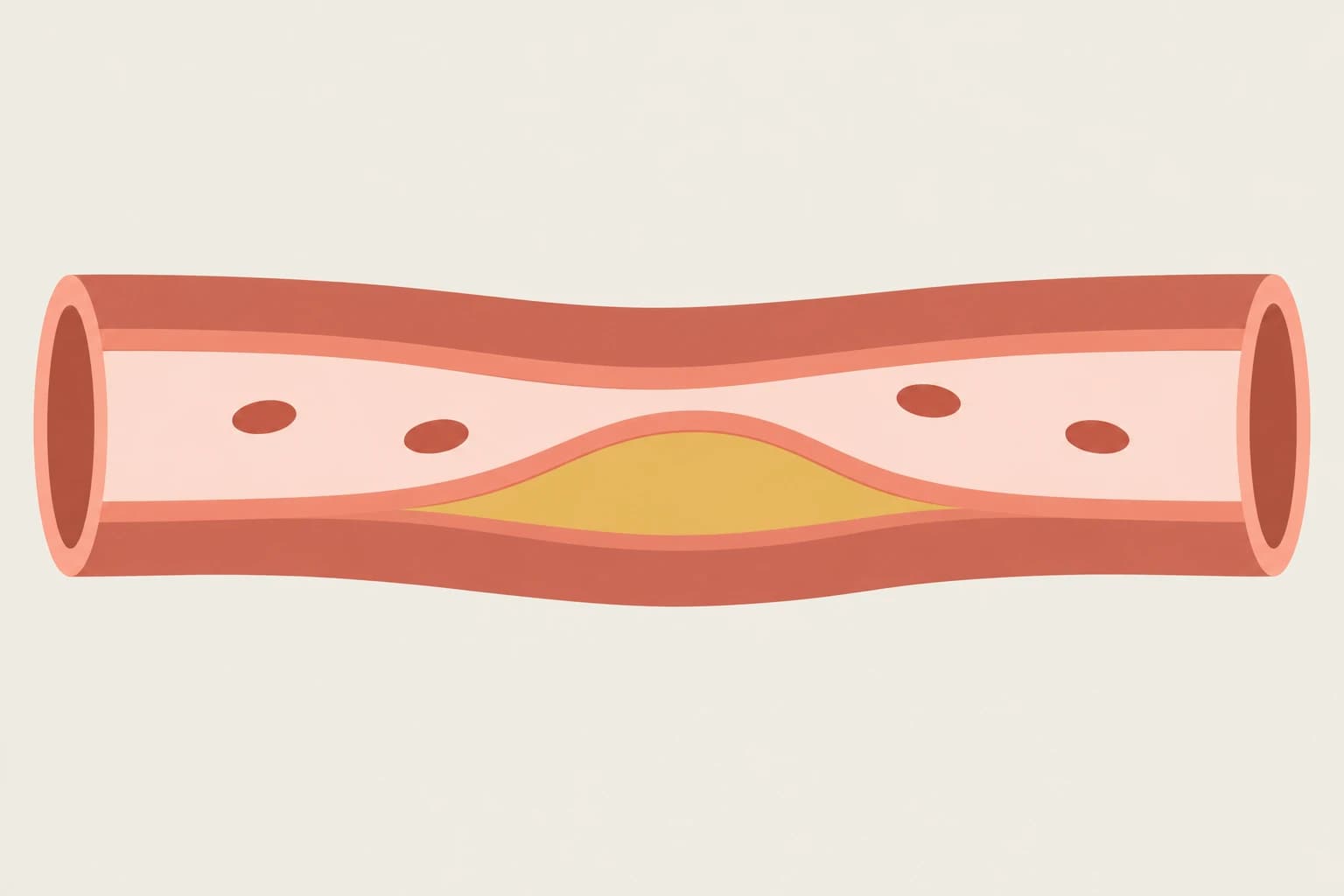
- Artery wall
- Plaque within the wall
- Open blood passage
Many risk factors affect the same arteries.
Prevention works on the whole picture.
Modifiable risk factors can be improved, treated or managed.
- Tobacco and nicotine exposure
- Smoking damages blood vessels, promotes inflammation and atherosclerosis, and increases the tendency of blood to clot.
- High blood pressure
- Over time, high blood pressure damages blood vessel walls, promotes atherosclerosis, and makes the heart work harder.
- High LDL cholesterol
- LDL-containing particles can enter artery walls and contribute to the formation of atherosclerotic plaque over time.
- Diabetes and elevated blood sugar
- High blood sugar can damage blood vessels and accelerate atherosclerosis over time.
- Excess body weight and metabolic health
- Excess body fat can increase risk by contributing to high blood pressure, abnormal cholesterol levels, insulin resistance and diabetes.
- Physical inactivity
- Regular physical activity helps improve blood pressure, cholesterol, blood sugar levels, cardiovascular fitness and metabolic health.
- Unhealthy dietary patterns
- Diets high in sodium, highly processed foods, saturated fats and added sugars can contribute to several cardiovascular risk factors.
- Excessive alcohol use
- Higher alcohol intake can increase blood pressure and contribute to other cardiovascular and health risks.
- Poor sleep and sleep apnea
- Poor-quality or insufficient sleep is associated with high blood pressure, abnormal blood sugar and other cardiovascular risk factors.
- Cocaine and other stimulant drugs
- These substances can sharply increase heart rate and blood pressure and constrict coronary arteries, increasing heart attack risk.
- Chronic stress
- Long-term stress can directly affect cardiovascular health and also influence sleep, smoking, diet and physical activity.
Reading the illustration Illustrative section, not to scale. Plaque is shown inside the artery wall. The illustration does not estimate your individual risk or the relative contribution of each factor.
Don’t forget, these risk factors often interact with one another. For example, regular physical activity can improve blood pressure, blood sugar, cholesterol, fitness and weight at the same time. This means that one healthy change can benefit the heart in several ways.
Know your blood pressure numbers
Interactive field notes
Two numbers. One heartbeat.
Blood pressure
Systolic pressure is the pressure in your arteries when the heart contracts. It is the first, higher number.
High blood pressure, or hypertension, is one of the most important modifiable cardiovascular risk factors. The tricky part? High blood pressure usually does not cause obvious symptoms. Someone can have hypertension for years without knowing it, which is why measuring your blood pressure matters.
Blood pressure is written as two numbers, such as 120/80 mmHg. The first number, called systolic blood pressure, is the pressure in your arteries when the heart contracts. The second number, called diastolic blood pressure, is the pressure between heartbeats when the heart relaxes.
According to Hypertension Canada's 2025 guideline, hypertension in adults is defined as a properly measured blood pressure of 130/80 mmHg or higher. However, one high reading does not necessarily mean you have hypertension. Blood pressure naturally varies, and proper measurement technique matters. Healthcare professionals may use repeated measurements or blood pressure readings taken outside the clinic to confirm the diagnosis.
Quick tip: Measure it properly. Sit quietly for about 5 minutes before taking your blood pressure. Keep your back supported, your feet flat on the floor, and your arm supported at heart level. Use a validated blood pressure monitor with an appropriately sized upper-arm cuff, and avoid caffeine, smoking and exercise shortly before measuring.
Lifestyle measures such as regular physical activity, eating a heart-healthy diet, reducing excess sodium, maintaining a healthy weight and limiting alcohol can help lower blood pressure. Some people can also require medication to reach a healthy blood pressure.
Avoid tobacco and nicotine exposure
Tobacco smoke damages the lining of blood vessels, promotes inflammation and accelerates atherosclerosis. It also increases the tendency of blood to clot and makes the heart work harder. Second-hand smoke is harmful too.
Vaping is not harmless either. Nicotine can increase heart rate and blood pressure, while substances in vaping aerosols may also affect blood vessel function. The long-term cardiovascular effects of vaping are still being studied.
Quitting can be difficult because nicotine is highly addictive, but the cardiovascular benefits begin after stopping and continue to build over time. Counselling, support from healthcare professionals and approved smoking-cessation treatments can improve the chances of quitting successfully. It is never too late to stop smoking and protect your heart health.
Move your body
Regular physical activity is one of the most powerful ways to protect your cardiovascular health. It can help lower blood pressure, improve blood sugar and cholesterol levels, maintain a healthy weight, improve cardiovascular fitness, and support better sleep and mental well-being.
Canadian guidelines recommend that adults accumulate at least 150 minutes of moderate-to-vigorous aerobic physical activity per week, along with muscle-strengthening activities at least twice a week. They also recommend breaking up long periods of sitting whenever possible.
Does 150 minutes sound intimidating? Start somewhere that makes sense for you – walking briskly, cycling, swimming, dancing, hiking, playing sports and many other activities count. Any time spent moving is better than nothing, and sustainable movement matters more than perfection.
- Did you know? You do not necessarily need to reach 10,000 steps every day to see meaningful health benefits. A 2025 review found that, compared with about 2,000 steps per day, 7,000 steps per day was associated with a 25% lower risk of developing cardiovascular disease and a 47% lower risk of dying from any cause. Benefits were also seen at lower step counts, and although more steps can provide additional benefit, much of the improvement occurred before 10,000 steps per day.
Small tip: If you find it motivating, a phone, watch, or simple step counter can help you track your movement and notice your progress over time.
Build a heart-healthy eating pattern
Unfortunately, there is no single miracle “heart attack prevention” food. What contributes most to your overall heart health is your eating pattern over time.
Prioritize
- Vegetables and fruits
- Whole grains
- Legumes such as beans, lentils and chickpeas
- Nuts and seeds
- Fish and seafood
- Minimally processed foods
- Unsaturated fats, such as those in olive and canola oils
Be mindful of
- Highly processed foods
- Processed meats
- Foods high in salt
- Foods high in saturated and trans fats
- Sugar-sweetened beverages
- Foods containing large amounts of added sugar
Eating too much sodium can contribute to high blood pressure. A large proportion of dietary sodium does not come from the salt shaker: it comes from packaged, restaurant and highly processed foods. Checking food labels can make a surprisingly large difference.
Less alcohol is better
Drinking alcohol, especially in higher amounts, can increase blood pressure and raise the risk of heart disease and stroke. Canada’s Guidance on Alcohol and Health emphasizes a simple message: when it comes to your health, less alcohol is better.
In Canada, 1 to 2 standard drinks per week is considered low risk, 3 to 6 represents moderate risk, and 7 or more represents increasingly high risk. At 7 or more drinks per week, the risk of heart disease or stroke increases.
If you do not drink alcohol, there is no reason to start for heart health. If you do drink, reducing your intake can lower your overall health risk.
Know your cholesterol numbers
Cholesterol often gets a bad reputation, but your body actually needs it to make cell membranes, hormones and other important substances. In fact, your liver produces most of the cholesterol in your body. Because cholesterol is a fatty substance and cannot travel freely through the bloodstream, it is carried in particles called lipoproteins, including LDL and HDL.
An important misconception is that eating foods containing cholesterol directly causes high blood cholesterol. For most people, dietary cholesterol has much less influence on blood cholesterol than other factors, especially genetics and the types of fats in the diet. Saturated fats can raise LDL cholesterol, while replacing them with unsaturated fats can help lower it. Trans fats can also raise LDL cholesterol and should be minimized.
Why does LDL matter? LDL-containing particles can enter and become trapped in the walls of arteries. Over many years, greater exposure to these plaque-forming particles promotes inflammation and atherosclerosis, increasing the risk of heart attack and stroke. This is why keeping LDL and other atherogenic lipoproteins low throughout your life is important for cardiovascular prevention.
You may have heard HDL described as the “good cholesterol.” HDL is useful for assessing cardiovascular risk, but prevention does not focus on raising HDL. Instead, the main focus is reducing the number and amount of plaque-forming particles, particularly those containing ApoB.
What might you see on a cholesterol blood test?
- LDL-C: estimates the amount of cholesterol carried inside LDL particles. In general, lower levels are associated with lower cardiovascular risk.
- Non-HDL-C: represents the cholesterol carried by all of the major plaque-forming lipoproteins combined.
- ApoB: a protein found on plaque-forming particles such as LDL and VLDL. Because each of these particles carries one ApoB molecule, measuring ApoB provides a useful estimate of the number of atherogenic particles circulating in the blood.
- Triglycerides: another type of fat in the blood. High levels can be associated with increased cardiovascular risk and metabolic disease.
- Lp(a): a largely genetically determined lipoprotein that can independently increase cardiovascular risk. Because levels remain fairly stable throughout life, Canadian guidelines recommend measuring Lp(a) once in a person’s lifetime as part of initial lipid screening.
There is no single cholesterol number that is ideal for everyone. Healthcare professionals interpret these results alongside factors such as age, blood pressure, smoking, diabetes, family history and whether someone already has cardiovascular disease.
A heart-healthy eating pattern, regular physical activity and good metabolic health can help improve cholesterol levels. In particular, eating more fibre-rich foods and replacing saturated fats with unsaturated fats can help lower LDL cholesterol. However, genetics can have a major influence, and some people have high cholesterol despite very healthy habits. When appropriate, medications such as statins can lower LDL cholesterol and significantly reduce cardiovascular risk.
Make room for good sleep
Regularly getting too little or poor-quality sleep can increase cardiovascular risk by contributing to problems such as high blood pressure, diabetes and weight gain. Most adults should aim for about 7 to 9 hours of good-quality sleep per night.
Sleep quality matters too. Sleep apnea is a condition in which breathing repeatedly stops and starts during sleep, reducing oxygen levels and placing stress on the cardiovascular system. It is strongly associated with high blood pressure and other cardiovascular problems.
Persistent loud snoring, gasping or choking during sleep, excessive daytime sleepiness, or someone noticing that you repeatedly stop breathing while asleep may be signs of sleep apnea. If these symptoms are present, they should be discussed with a healthcare professional.
Sleep hygiene tips: Try to go to bed and wake up at about the same time every day, even on weekends. Keep the hour before bed calm, and reduce exposure to bright screens and stimulating activities. Avoid caffeine for roughly 6 to 8 hours before bedtime, and avoid heavy or large meals within a few hours of bedtime. Keep your bedroom cool, dark and quiet, and try to reserve your bed for sleep rather than studying, working or scrolling.
Understand preventive medications
Taking preventive medication when it is medically indicated is not a failure of lifestyle. It is another evidence-based tool for reducing cardiovascular risk. Genetics, age, family history, and certain medical conditions can all increase cardiovascular risk despite a healthy lifestyle.
Depending on a person’s individual risk factors, healthcare professionals may recommend medications to lower cholesterol, control blood pressure, manage diabetes, or reduce the risk of blood clots. Importantly, the decision to start a preventive medication should be made with a healthcare professional, based on your overall cardiovascular risk, medical history, and the potential benefits and risks.
Work with your healthcare professional
A key step in prevention is knowing where you stand. Talk to your healthcare professional about your cardiovascular risk factors, such as blood pressure, cholesterol, diabetes, smoking, physical activity, weight, and family history, and ask what you can do to reduce your risk. Some factors cannot be changed, but many can be managed with lifestyle changes, regular follow-up, and medication when needed. The earlier you know your risk, the earlier you can act on it.
Overall, the most important thing to understand about heart attack prevention is that you do not need to achieve “perfect” cardiovascular health overnight. In fact, habits or small changes that are sustainable over time are much more likely to lower your risk of a heart attack.
Module 02 / Knowledge check
Quiz
Adapted from CAPIO’s Module 2 script, with light editing for clarity and linked references. This lesson is educational and does not replace care from a healthcare professional.
Original module script (PDF)