
What is a heart attack?
Sub-theme 1: Simple pathophysiology
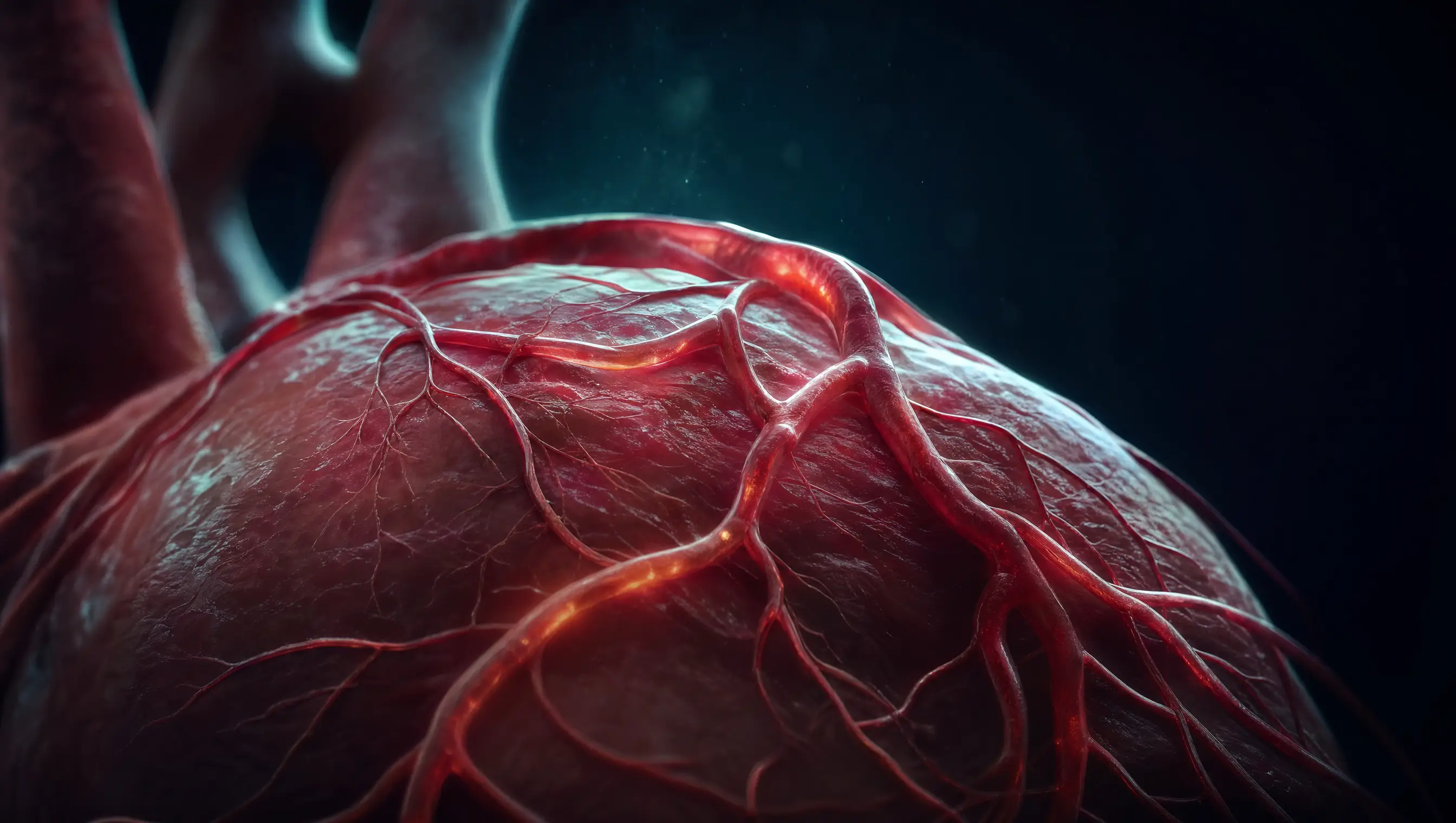
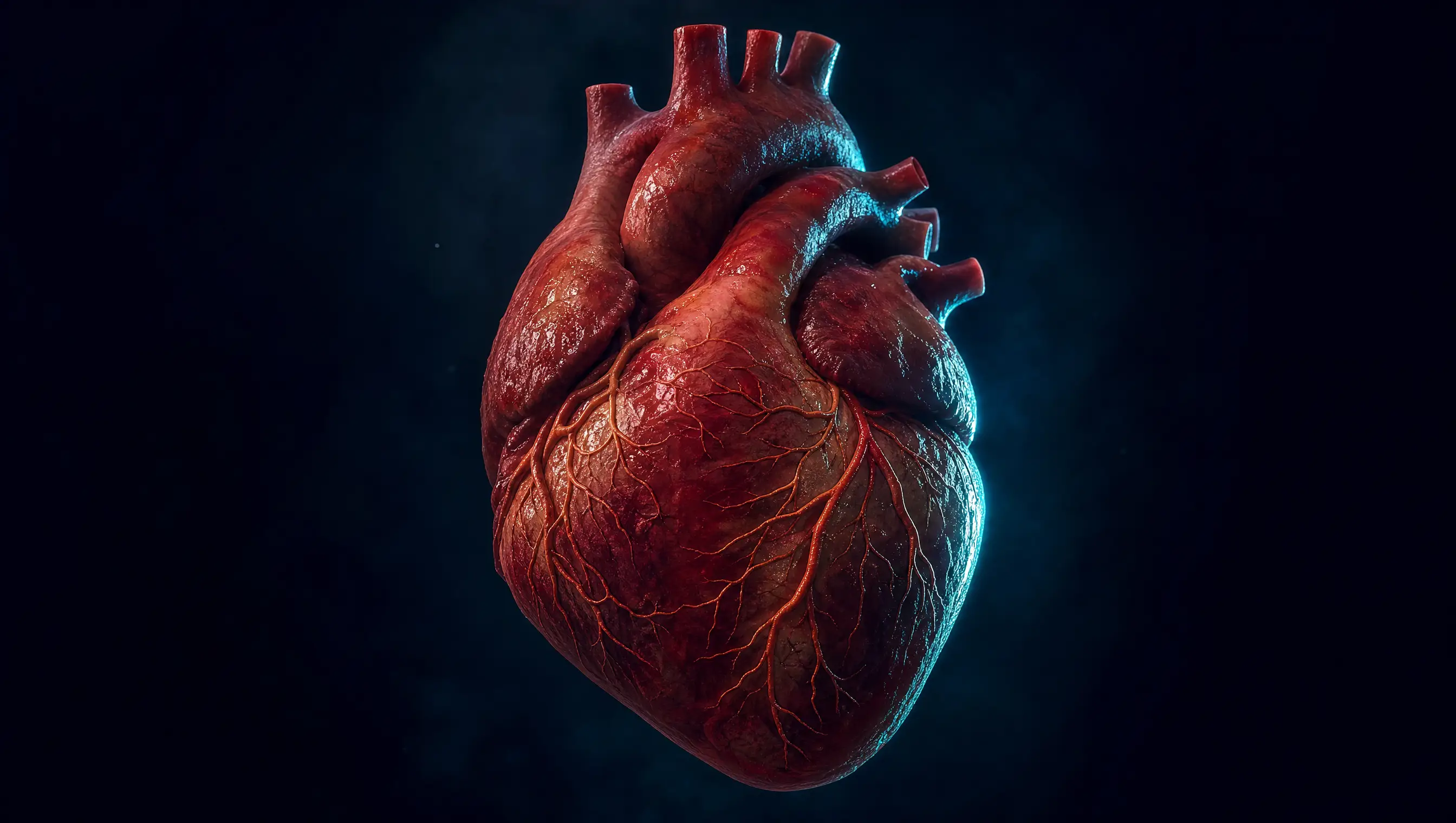
Main takeaway: A heart attack occurs when blood flow to part of the heart muscle becomes severely reduced or blocked, most often because a clot forms over a disrupted cholesterol plaque in a coronary artery. Without blood and oxygen, heart muscle begins to become injured.
Sub-theme 2: Recognizing a heart attack
Main takeaway: Heart attacks do not always look the same. Chest pressure or discomfort is common, but symptoms may also include shortness of breath, sweating, nausea, unusual fatigue, dizziness, or discomfort in the arm, jaw, back, or upper abdomen.
Sub-theme 3: Etiology and Risk Factors
Main takeaway: Heart attacks usually develop on a background of coronary artery disease. Factors such as smoking, high blood pressure, high cholesterol, diabetes, physical inactivity, and other cardiovascular risks can increase the likelihood of disease over time.
Sub-theme 4: Heart Attack vs. Cardiac Arrest
Main takeaway: A heart attack happens when blood flow to the heart muscle is blocked. Cardiac arrest happens when the heart suddenly stops pumping effectively because of an electrical disturbance. A heart attack can sometimes trigger cardiac arrest, but they are not the same thing.